Scam Calls: How to Identify and What to Do
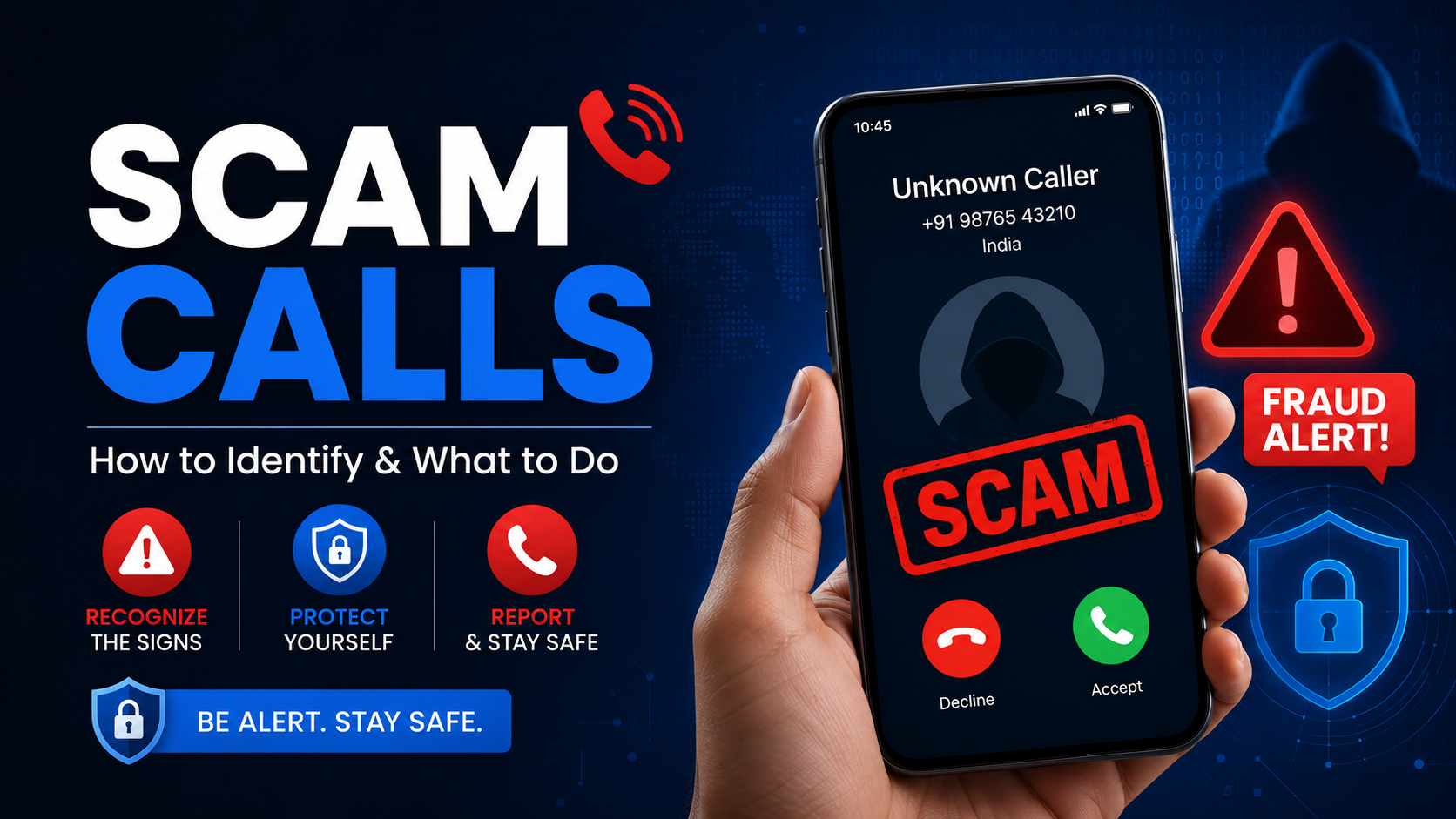
Fraud calls are becoming increasingly common worldwide. Scammers are using sophisticated tactics to trick innocent people into sharing sensitive information or sending money. In this comprehensive guide, we'll show you exactly how to identify scam calls, protect yourself, and what to do if you become a target.
According to recent reports, over 60% of adults have received at least one scam call in the past year, and many have lost significant amounts of money. The good news is that most scam calls can be easily identified if you know what to look for.
What Are Scam Calls?
Scam calls are fraudulent phone calls made by criminals pretending to be from legitimate organizations such as banks, government agencies, tech support, or even family members. The goal of these calls is to steal your personal information, money, or both.
These scammers use various tactics, including creating a sense of urgency, using threats, or making promises of free money or prizes. They often use caller ID spoofing to make it appear as if they're calling from a legitimate number.
Common Types of Scam Calls
1. Bank Fraud Calls
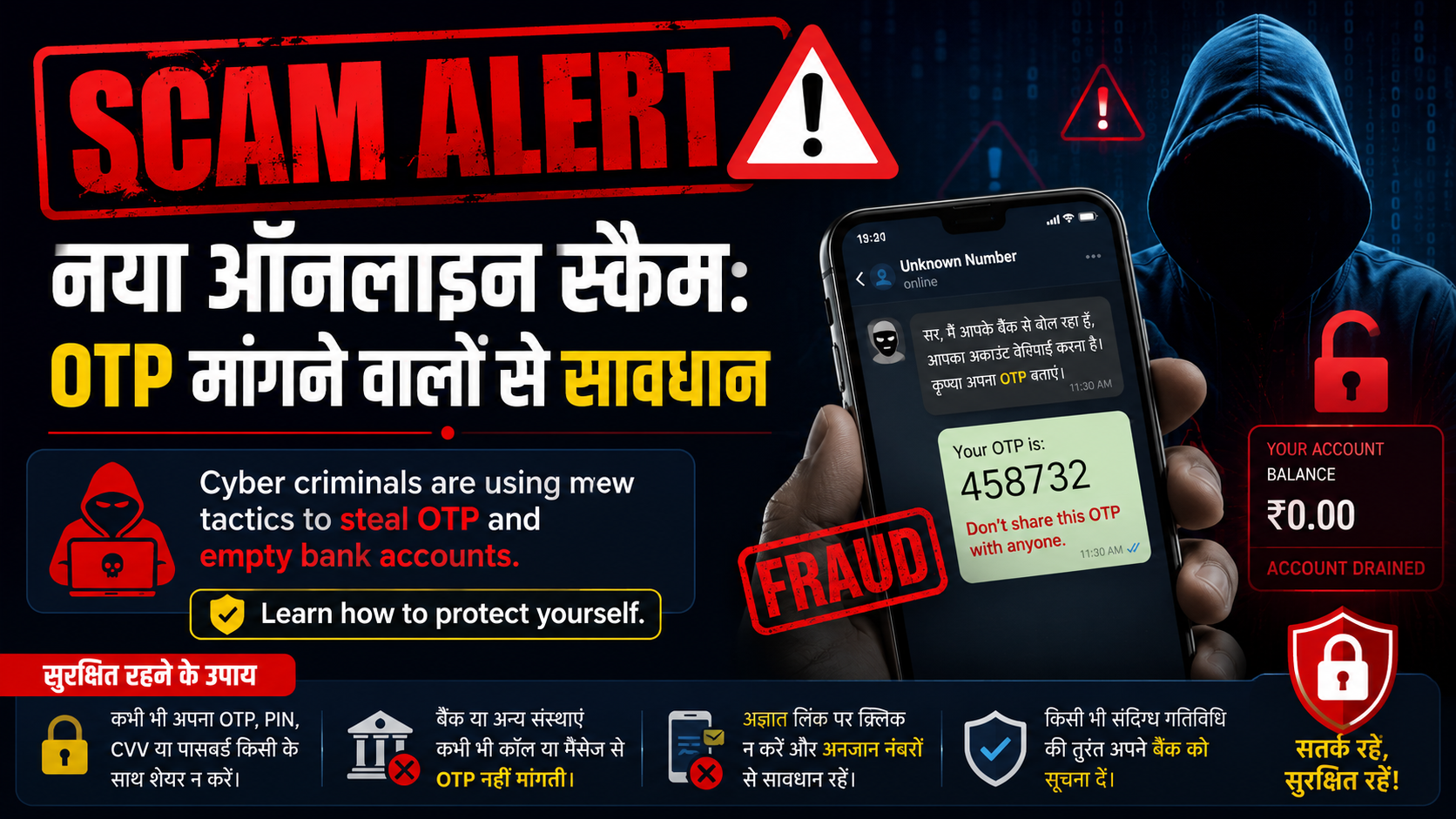
Scammers pretend to be from your bank's fraud department. They claim there's suspicious activity on your account and ask you to verify your identity by sharing OTPs, PINs, or account details. This is one of the most common and dangerous types of scam calls.
2. Tech Support Scams
Scammers claim to be from Microsoft, Apple, or other tech companies. They say your computer has a virus or security issue and ask for remote access to "fix" it. They may also ask for payment for unnecessary services.
3. Government Impersonation Scams
Scammers pretend to be from the IRS, Social Security Administration, or other government agencies. They threaten legal action or arrest unless you pay immediately via gift cards, wire transfer, or cryptocurrency.
4. Family Emergency Scams
Scammers pretend to be a family member in distress, often claiming to be arrested, in an accident, or stranded in a foreign country. They ask you to send money urgently without verifying their identity.
5. Prize and Lottery Scams
Scammers inform you that you've won a prize, lottery, or sweepstakes. They ask you to pay fees or taxes to claim your "winnings." Real prizes never require upfront payment.
6. Utility and Service Scams
Scammers pretend to be from your electricity, gas, or internet provider. They threaten to disconnect your service unless you pay immediately over the phone.
Red Flags: How to Identify a Scam Call
Here are the key warning signs that indicate you're dealing with a scam call:
- Unsolicited Calls: You didn't initiate the call. Be suspicious of unexpected calls from unknown numbers.
- Urgency and Pressure: Scammers create a sense of emergency, pressuring you to act immediately without thinking.
- Threats of Legal Action: They threaten to arrest you, sue you, or take other legal action if you don't comply.
- Requests for Personal Information: They ask for your Social Security number, bank account details, passwords, OTPs, or other sensitive information.
- Requests for Payment: They ask you to pay via gift cards, wire transfer, cryptocurrency, or other non-traceable methods.
- Caller ID Spoofing: The caller ID shows a number that appears legitimate but is actually fake.
- Too Good to Be True Offers: They promise free money, prizes, or exclusive deals that sound unrealistic.
- Poor Language or Grammar: The caller may have a heavy accent, poor grammar, or use incorrect terminology.
What to Do If You Receive a Scam Call
Follow these steps if you receive a suspicious call:
- Stay Calm: Scammers rely on fear and panic. Take a deep breath and think clearly.
- Don't Engage: Don't provide any personal information, even if they seem convincing.
- Don't Press Any Numbers: Some scams ask you to press a number to be connected to a "representative" or to be removed from a list. This can lead to more calls.
- Hang Up Immediately: The safest thing to do is to end the call. You don't need to be polite to scammers.
- Verify Through Official Channels: If you're concerned the call might be legitimate, look up the organization's official phone number and call them back.
- Report the Call: Report scam calls to the appropriate authorities to help protect others.
How to Protect Yourself from Scam Calls
1. Register on the Do Not Call Registry
Register your phone number on the National Do Not Call Registry to reduce legitimate telemarketing calls. While this won't stop scammers, it helps reduce overall unwanted calls.
2. Use Call Blocking Apps
Apps like Truecaller, Hiya, and others can help identify and block spam and scam calls. These apps use community reporting to flag suspicious numbers.
3. Never Share Personal Information
Never share personal information like your Social Security number, bank account details, passwords, or OTPs over the phone. Legitimate organizations won't ask for these details.
4. Be Skeptical of Caller ID
Don't trust caller ID. Scammers can easily spoof numbers to make it appear as if they're calling from a legitimate organization.
5. Don't Be Rushed
Scammers create a sense of urgency to rush you into making bad decisions. Take your time and verify information before taking any action.
6. Educate Family and Friends
Scammers often target vulnerable individuals like the elderly or those who may not be familiar with technology. Share this information with your loved ones to help protect them.
What to Do If You've Been Scammed
If you've fallen victim to a scam call, take these steps immediately:
- Contact Your Bank: If you've shared financial information, call your bank immediately to freeze your accounts and prevent unauthorized transactions.
- Change Your Passwords: Immediately change passwords for your email, banking, and other important accounts.
- File a Complaint: Report the incident to the cyber crime cell. In India, you can file a complaint at cybercrime.gov.in or call the helpline at 1930.
- Contact Credit Bureaus: Place a fraud alert on your credit report to prevent identity theft.
- Monitor Your Accounts: Regularly check your bank statements and credit reports for suspicious activity.
- File a Police Report: For serious fraud, file a First Information Report (FIR) at your local police station.
Real-Life Examples of Scam Calls
These are real cases that have been reported by victims around the world:
"I received a call from someone claiming to be from my bank's fraud department. They said there were suspicious transactions on my account and asked me to confirm my OTP. Within minutes, ₹30,000 was gone from my account."
— Priya, Mumbai (Victim of Bank Fraud Call)
"A caller claimed to be from Microsoft support. They said my computer was infected with a virus and asked for remote access. They then demanded ₹15,000 to 'fix' the issue. Luckily, I realized it was a scam and hung up."
— Raj, Delhi (Targeted by Tech Support Scam)
Final Thoughts
Scam calls are a growing threat, but they are also entirely preventable. The key is to stay informed, be cautious, and never share sensitive information over the phone. Remember: If it sounds too good to be true, it probably is. If someone is pressuring you to act immediately, it's likely a scam.
By following the tips and guidelines in this guide, you can significantly reduce your risk of falling victim to these scams. Share this information with your family and friends to help spread awareness and protect more people.
In a connected world, safety is everyone's responsibility. Stay aware, stay safe, and always trust your instincts. If something feels wrong, it probably is.