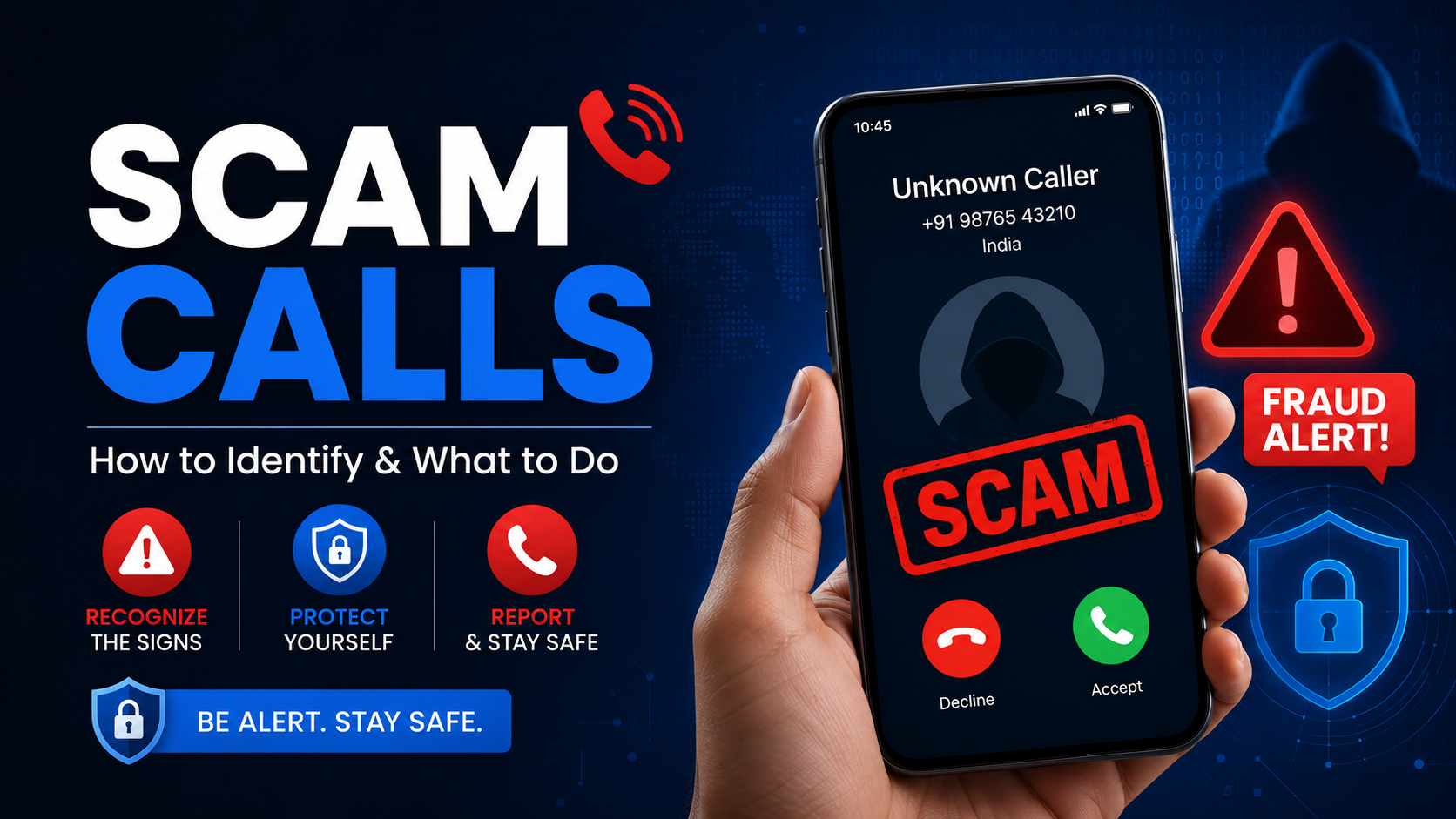
OTP Scam Alert: How Cyber Criminals Are Emptying Bank Accounts
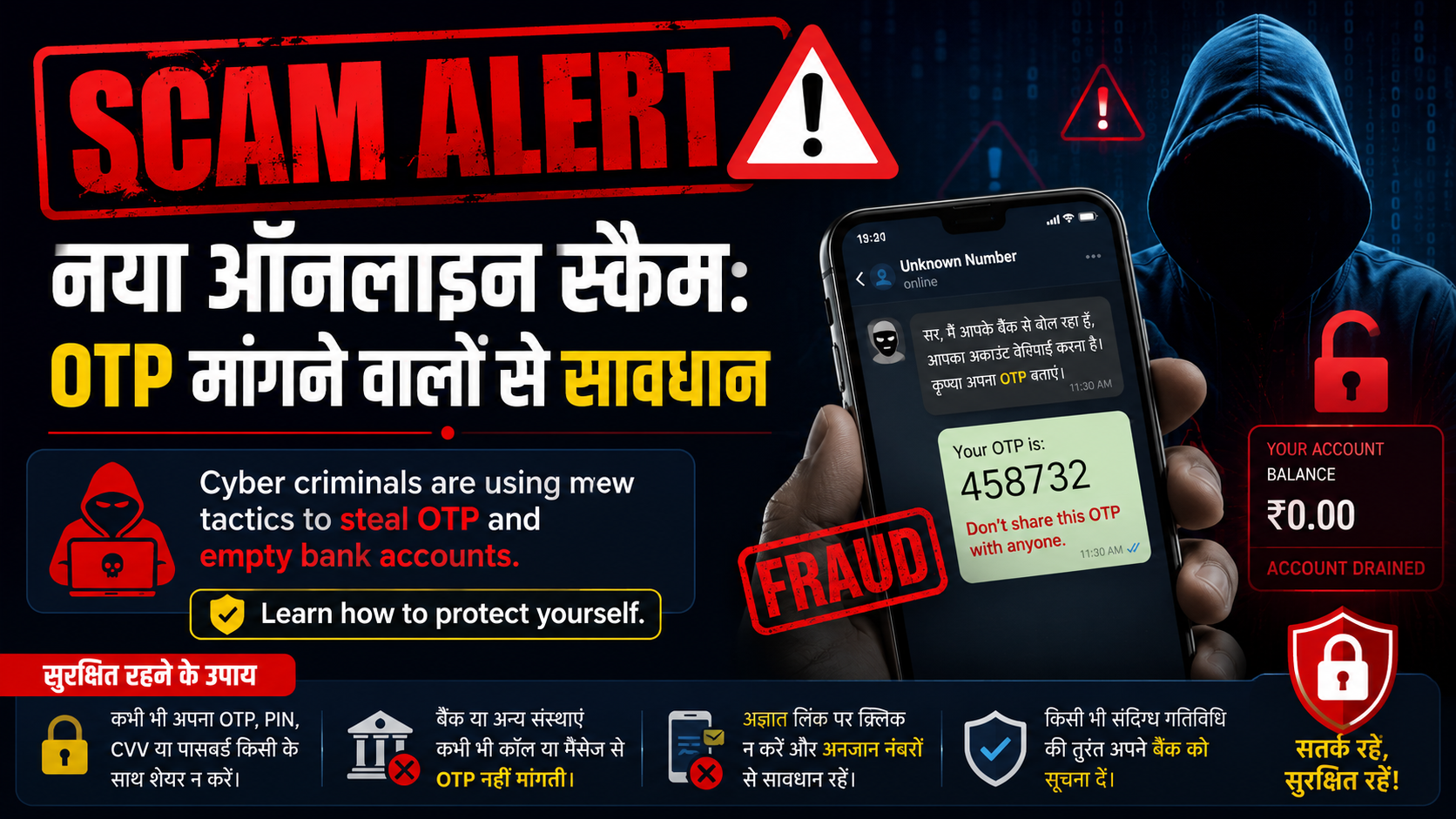
In today's digital age, online banking has become an essential part of our daily lives. However, with the convenience of digital transactions comes the growing threat of cybercrime. One of the most dangerous and rapidly growing scams is the OTP (One-Time Password) scam, where cyber criminals use sophisticated tactics to steal your money directly from your bank account.
According to recent reports, over 70% of banking fraud cases in 2026 involve OTP scams. These fraudsters are becoming increasingly clever, using psychological manipulation and technical tricks to bypass security measures. In this comprehensive guide, we'll show you exactly how these scams work, how to identify them, and most importantly, how to protect yourself and your hard-earned money.
What is an OTP Scam?
An OTP scam is a type of cybercrime where fraudsters trick you into sharing your One-Time Password (OTP) — a temporary code sent to your registered mobile number to authorize transactions. Once they have this code, they can log into your bank account, transfer funds, make purchases, or even open new accounts in your name.
These scammers often pose as legitimate entities like bank employees, customer service representatives, government officials, or even family members. They use urgent language and create a sense of emergency to pressure you into sharing sensitive information without thinking.
How Do OTP Scams Work?
Cyber criminals use various tactics to execute OTP scams. Here are the most common methods they employ:
1. The Fake Bank Call
This is the most common type of OTP scam. You receive a call from someone claiming to be from your bank's fraud detection department. They might say your account has been compromised or your debit/credit card has been blocked. To "resolve" the issue, they ask you to share the OTP sent to your phone to "verify your identity" or "cancel the fraudulent transaction."
These scammers often have caller ID spoofing technology, so the call appears to come from your bank's official number. They may also have some of your personal information (like your account number or address), which they use to appear legitimate and gain your trust.
2. The Phishing Email
You receive an email that looks exactly like it's from your bank. The email might claim there's an urgent issue with your account or that you need to update your security information. When you click the link, you're taken to a fake website that looks identical to your bank's login page. When you enter your credentials, the scammers capture them and use them to initiate transactions, then ask for the OTP to "verify" the changes.
3. SMS Scams (Smishing)
You receive an SMS that appears to be from your bank, a courier service, or a government agency. The message asks you to click a link to claim a refund, pay a fine, or verify your identity. These links lead to fake websites that steal your information.
4. Social Media Scams
Scammers may contact you through social media platforms like WhatsApp, Facebook, or Instagram, pretending to be a friend or family member in trouble. They might ask you to urgently send money or share an OTP to "recover" their account.
Real-Life Examples of OTP Scams
These are real cases that have been reported by victims across the globe:
"I received a call from someone claiming to be from my bank's fraud team. They said there was a suspicious transaction on my account and asked me to share the OTP to block it. Within minutes, ₹50,000 was gone from my account."
— Rajesh, New Delhi (Victim of OTP Scam)
"I got an email that looked exactly like my bank's official communication. It said my internet banking would be deactivated unless I verified my identity. I clicked the link and entered my credentials and the OTP. I lost $2,000 instantly."
— Sarah, London (Victim of Phishing Scam)
Red Flags: How to Identify an OTP Scam
Here are the key warning signs that indicate you might be dealing with a scammer:
- Urgency: The caller creates a sense of emergency, pressuring you to act immediately without thinking.
- Threats: They may threaten to block your account, freeze your assets, or take legal action if you don't comply.
- Requests for Sensitive Information: Any request for your OTP, PIN, password, or CVV is a major red flag. Banks never ask for this information.
- Unsolicited Contact: You did not initiate the call, email, or SMS. Always be suspicious of unexpected contact.
- Too Good to Be True Offers: Scammers often use offers like "free money," "prize wins," or "exclusive deals" to lure victims.
- Requests to Download Apps: Scammers may ask you to download screen-sharing apps or remote access software to "help" you.
How to Protect Yourself from OTP Scams
Follow these essential security measures to keep your bank account safe:
1. Never Share Your OTP
This is the golden rule. No bank, government agency, or legitimate company will ever ask for your OTP, PIN, or password. If someone asks for this information, it's 100% a scam. Hang up immediately, delete the email, and block the number.
2. Verify Caller Identity
If you receive a call from someone claiming to be from your bank, politely hang up and call your bank's official customer care number (found on the back of your debit card or on their official website). Do not use the number provided by the caller.
3. Check URLs Carefully
Before clicking any link in an email or SMS, hover your mouse over it to see the actual URL. Look for misspellings, extra characters, or suspicious domain names. Always type the bank's URL directly into your browser instead of clicking on links in messages.
4. Enable Transaction Alerts
Make sure you have SMS and email alerts enabled for all your bank transactions. This way, you'll be notified immediately if any unauthorized transaction occurs on your account.
5. Use Strong, Unique Passwords
Use a different, strong password for your bank account and all other important online accounts. Avoid using easily guessable passwords like your birthdate, name, or "password123."
6. Install Security Software
Keep your smartphone and computer protected with reputable antivirus and anti-malware software. Regularly update your operating system and apps to patch security vulnerabilities.
What to Do If You've Been Scammed
If you've accidentally shared your OTP or personal information, follow these steps immediately:
- Contact Your Bank Immediately: Call your bank's 24/7 helpline and report the incident. They will block your account and cards to prevent further unauthorized transactions.
- Change Your Passwords: Immediately change your internet banking password, UPI PIN, and any other passwords associated with your bank account.
- File a Complaint with Cyber Cell: Report the incident to the cyber crime cell. In India, you can file a complaint at cybercrime.gov.in or call the helpline at 1930.
- Freeze Your Account: If you have shared your OTP, ask the bank to temporarily freeze your account to prevent any further transactions.
- Monitor Your Account: Regularly check your bank statements and account activity for any suspicious transactions.
- File a Police Report: For serious fraud, file a First Information Report (FIR) at your local police station. This can help in the investigation and recovery of funds.
Final Thoughts
OTP scams are a serious threat, but they are also entirely preventable. The key is to stay informed, be cautious, and never share sensitive information over phone, email, or SMS. Remember: Your OTP is the key to your bank account—guard it like a treasure.
By following the security measures outlined in this guide, you can significantly reduce your risk of falling victim to these scams. Share this information with your family and friends to help spread awareness and protect more people.
In a digital world, safety is everyone's responsibility. Stay aware, stay safe, and always trust your instincts. If something feels off, it probably is.